Sensory overwhelm happens when a person’s five senses – touch, taste, sound, smell, and sight – take in more information than their brain can process effectively.
Sensory overload triggers a physiological stress response, and your body goes into fight, flight or freeze mode.
Whether you have autism, ADHD, specific learning differences (SpLDs) like dyslexia and dyscalculia, or simply find yourself struggling to contend with the multiple things competing for your attention throughout the day, understanding sensory overwhelm is crucial for finding effective coping mechanisms.
What are the impacts of sensory overwhelm?
Sensory overwhelm isn’t the same experience for everyone; some people can be affected by certain noises or textures, while others might find bright lights or high heat unbearable.
Whatever triggers your sensory overwhelm, it can lead to feelings of intense anxiety, stress, and even physical discomfort.
The impact of sensory overwhelm goes beyond just feeling distracted; it can affect a person’s internal sense of safety or comfort. It can trigger a significant emotional response and a feeling of being completely consumed or flooded by sensations.
The ability to think clearly, make simple decisions, or to plan ahead completely vanish. A simple task like choosing what to eat or finding your car keys can suddenly feel impossible.
Individuals experiencing sensory overwhelm may experience some of the following reactions:
- Feeling helpless or unable to cope with their environment
- Headaches, tiredness, irritability, or panic attacks
- Struggling to focus on conversations or tasks because of the stimuli causing their overwhelm
- Avoiding certain spaces or activities that they find too overwhelming to navigate
- Engaging in soothing behaviours like rocking back and forth or covering their ears to block out excessive noise.
Sensory processing disorder
Sensory processing disorder (SPD) is a neurological condition where the brain struggles to properly organise, interpret, and respond to the information coming through the senses.
While everyone is likely to experience sensory overwhelm at some point in their lives, people with SPD find it difficult to process sensory information on a regular, sometimes even daily basis.
Because the human brain is flooded with sensory data every second, a person with SPD has to actively work to manage their environment.
Heightened sensitivity to certain stimuli means that individuals with SPD experience sensations more intensely than others. Even unremarkable sounds, sights, or smells can feel overwhelming and cause distraction or distress.
For example, fluorescent lighting in a shopping centre might feel too bright to cope with, and certain fabrics might feel too itchy to wear.
Because sleep quality, stress levels, illness, and hunger alter the nervous system daily, a texture or sound that was tolerable on Monday might cause a significant challenge on Tuesday. This unpredictability makes daily planning incredibly difficult.
Causes and triggers of sensory overwhelm
Several factors can contribute to sensory overwhelm; some of the most common are neurological conditions such as:
- Sensory processing disorder
- Autism (aka autism spectrum disorder, or ASD)
- ADHD (aka attention deficit hyperactivity disorder)
- Cerebral palsy.
People who are prone to migraines or have fibromyalgia can also have an increased susceptibility.
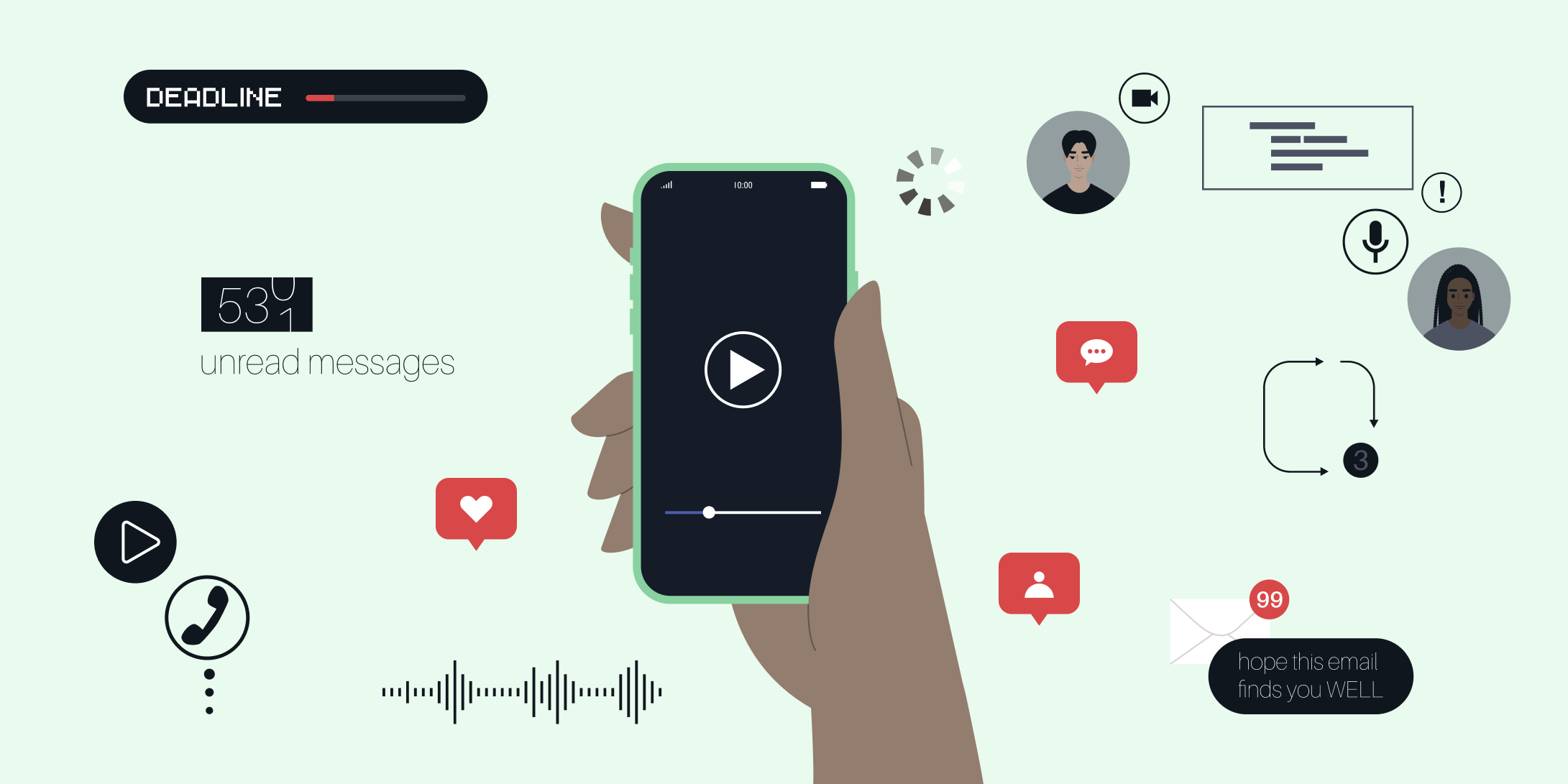
Sensory overwhelm is often triggered by having too much sensory stimuli in your external environment. In today's fast-paced world, we are constantly bombarded with advertisements, digital communication, notifications, and a surplus of technological demand.
For someone who is already sensitive to these things, it can quickly become too much to handle.
Stress and anxiety can also intensify sensory overwhelm. Stress and anxiety don’t just make you feel more overwhelmed; they fundamentally change how your brain and nervous system process physical information from the outside world.
When our bodies are in a state of increased alertness or tension, our senses tend to become heightened and more easily overwhelmed by even minor stimuli.
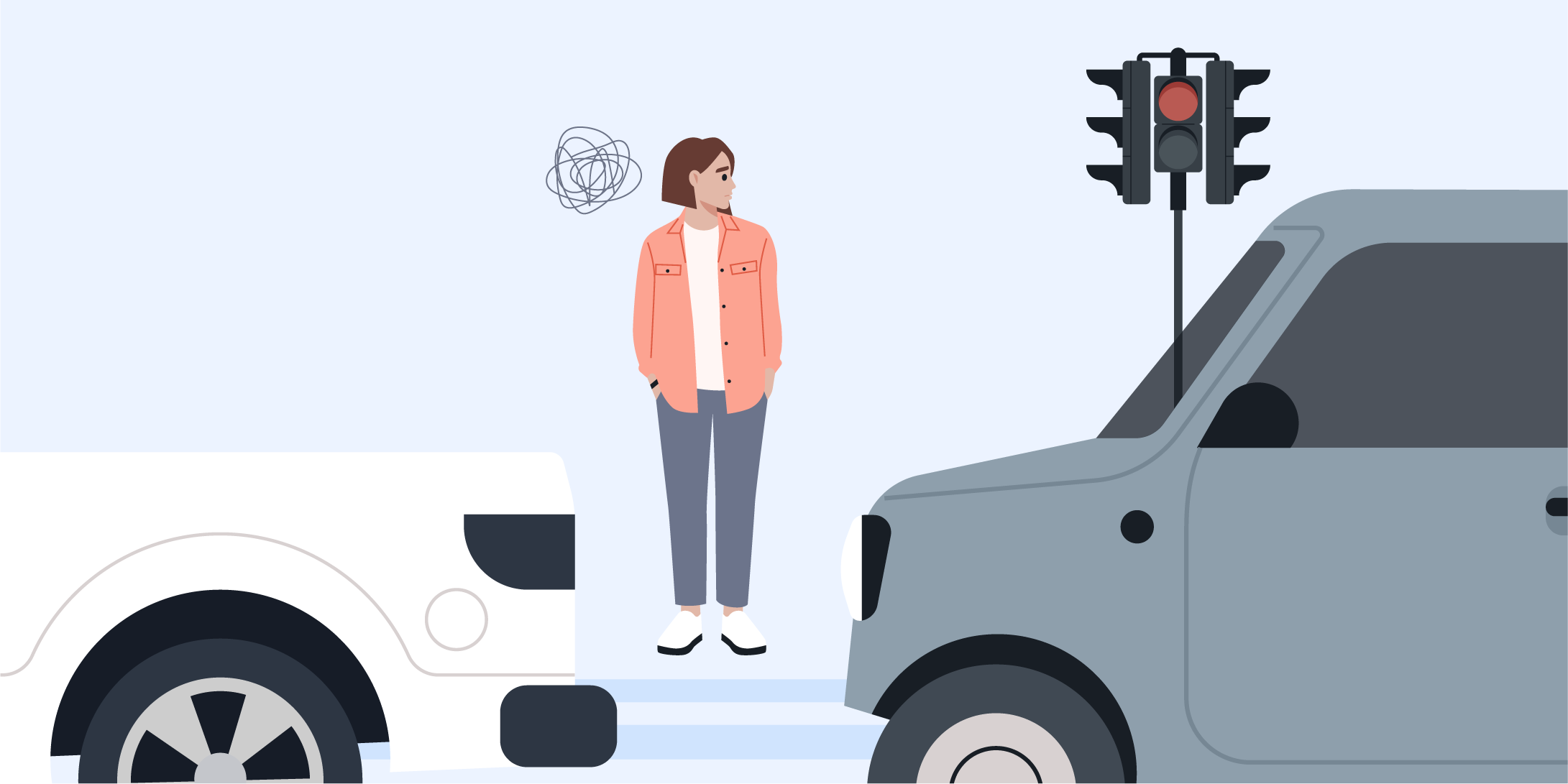
Lack of control over our personal environment can also be a trigger for sensory overwhelm. Being in crowded places or unfamiliar settings where you don't have the ability to regulate the level of stimulation can quickly lead to a person feeling out of control.
Tips for managing sensory overwhelm in daily life
When managing sensory overwhelm, the golden rule is simple: reduce the input, ground the body. Managing this effectively involves three distinct stages:
- Immediate rescue: what to do right now
- Proactive planning: how to prep for the day
- Nervous system recovery: how to reset afterward.
Here are some top tips that can come in handy:
- Take breaks. If you find yourself becoming overwhelmed, give yourself permission to take a break. Find a quiet and calm space where you can relax and recharge.
- Deep breathing exercises. Deep breathing techniques can help calm your nervous system and reduce feelings of sensory overwhelm.
- Create routines. Establishing regular daily routines can provide structure and predictability to your schedule, which can help reduce stress.
- Seek support. Reach out to friends, family members, or support groups who understand what you're going through.
Remember that everyone's experience of sensory overwhelm is unique, so it may take some time to find the strategies that work best for you.
It's important to remember that you are not alone when experiencing sensory overwhelm. Many individuals experience it on a daily basis. Understanding the symptoms, causes, and effective coping mechanisms will empower you to take control of your environment and minimise its impact.
Above all, remember to prioritise self-care. Take breaks in a soothing environment when needed, practise deep breathing exercises or meditation techniques to calm your mind and body, and engage in activities that bring you joy and help you relax.
How can ProblemShared help?
As we’ve discussed, sensory overwhelm may be a sign of a neurodevelopmental condition such as autism or ADHD.
We’ve created two short, simple, online quiz-like screeners to help you better understand whether your lived experiences tally with the symptoms of ADHD or autism:
While it’s important to remember that these screeners do not constitute a clinical diagnosis, they can help you to better understand whether a professional assessment would be of benefit to you.
We also offer online ADHD and autism assessments if you would like to pursue a clinical assessment. You can find out more about on services on our: