Medication can be an effective way to manage symptoms of ADHD; however, if you don’t currently have access to medication, or would prefer to explore non-medicated techniques, there are a range of coping strategies that may help you.
We spoke to members of our team with ADHD, as well as ADHD specialists and clinical assessors, to pull together a list of 60 of the best tips and approaches that can help you manage your ADHD without medication.
It’s important to remember that no two people experience ADHD the same way. These techniques come recommended by qualified clinical experts, but the most effective path is the one that works for you. Feel free to take onboard the suggestions that feel useful and discard the ones that don’t.
Focusing
Body doubling
Some people find that working alongside someone else, whether in person or virtually, can make it easier to focus on and complete work, household, and personal tasks.
This 'body doubling' effect provides gentle accountability and helps keep you anchored on the task at hand, even when your mind wants to wander.
‘When I procrastinate cleaning or admin jobs, I FaceTime my partner or friend. Just having them there holds me accountable and keeps me motivated.' - Laura Philliskirk, Psychoeducation Pathway Lead
Exercise
Exercise carries several important benefits for our bodies and minds, but did you know it can also improve focus?
Movement, especially rhythmic or outdoor exercises like walking or cycling, boosts levels of dopamine and norepinephrine. These chemicals are directly linked to attention and focus, making exercise a powerful way of clearing mental clutter and sharpening your concentration.
Minimise distractions
ADHD brains love distraction, which is why it’s so important to offer as few as possible when you’re trying to concentrate.
A noisy, cluttered, or high-traffic environment can quickly derail your attention. Creating a quiet space that reduces visual mess, silencing notifications on your phone or laptop, and using noise-cancelling headphones can help you stay on track.
‘Thoughts can also be distracting; I use “labelling thoughts” as a strategy to manage that. I write the thought down on my phone or in a notebook and set a reminder to refer to them later.’ - Karen Navamani, Psychoeducation Clinician
Focus apps
Digital tools like Forest, Freedom, or Cold Turkey can help you block distractions and gamify your focus.
Apps and plugins like these can block notifications or distracting apps, or offer small rewards during your focus sessions, giving you the guardrails and structure that can help keep you on task.
Motivation
Keep it interesting
ADHD brains thrive on interest, so try turning dull tasks into games, like chore bingo or racing the clock. Even small acts of gamification can inject a bit of fun into something otherwise monotonous.
You could also pair your chores with enjoyable activities, such as listening to that new album or podcast you’ve been meaning to put on.
‘Music is a game changer! I challenge myself to finish a task before the song ends, or turn cleaning into a mini “performance” where I imagine I’m on stage while wiping the worktops or hoovering.' - Carly Lockhart, Psychoeducation Clinician
Create a sense of urgency
Deadlines and accountability can switch many ADHD brains into high gear. Even if you’ve got a week to do something, there’s nothing stopping you from creating smaller deadlines to keep the pace up.
You can set whatever rule you’d like: 'I’d like to have three pages written by the end of the day', for example. If you know you're likely to ignore your self-imposed deadline, tell a trusted person for a little shame-free accountability.
‘Reframing 5 and 10 minutes into seconds has been so helpful for when I think I have enough time to do something - 10 minutes feels like loads of time, but 600 seconds? That feels very different and makes the passing of time feel more urgent.' - Jemma Richmond, former Psychoeducation Pathway Lead
Change it up
A new environment or a simple change in routine can kickstart your motivation if things feel stale.
Switching up where or how you work, using a new tool or alerting your routine can help engage your brain and shake off the cobwebs. Even simply standing at your desk to work can completely change your mindset.
Challenges and competition
A little healthy competition never hurt anyone, and it can certainly help in the battle to stay motivated.
Simple challenges, like racing against the clock or ‘Eat the frog’ - where you tackle the hardest part of your workload first – can tap into the brain’s love of challenge and achievement.
Starting is the hardest part
For many people with ADHD, once the ball is rolling, it's easy to keep it rolling - it's the first push that feels the hardest.
Instead of expecting yourself to complete large tasks in one go (i.e. 'I have to write this report'), consider what the first doable step would be, and focus on getting started on this smaller chunk rather than the project at large. This is also known as ‘chunking’, which we’ll explore in the ‘Organisation and procrastination’ section of this article.
Placing cues in your environment, like leaving your vitamins by the kettle or post-it notes on your desk, create simple and unavoidable prompts that make the first steps easier and more immediate to engage with.
Remove or create friction
Small barriers can derail good intentions. Simple steps like setting out your clothes the night before or packing your bag in advance can remove points of friction and reduce cognitive overwhelm in the future.
Equally, there may be some areas that could benefit from a little friction: logging out of social media accounts or unplugging your console’s power cable can make distractions more effort to engage in than they’re worth, making it easier to stay on track.
Make progress visible
Many people with ADHD find that immediate feedback can help them stay motivated. 'Done lists' (where you write out the tasks you’ve completed), visual trackers like marbles in a jar, or colourful stickers can make progress visible and satisfying.
Some people also offer themselves small rewards after meeting milestones, from buying that new book they’ve been eyeing to taking a 15-minute break.
‘Normal to-do lists don’t work for me. If I just see ‘write report, complete PowerPoint, proofread report’ scribbled down on paper, my brain goes, ‘nope’.
‘With Trello, each task is placed into a coloured task card and we move it to show the progress. Personally, I feel like it’s a mini win every time, a real dopamine hit! It helps make jobs a bit more satisfying.’ - Carly Lockhart, Psychoeducation Clinician

Organisation and procrastination
Break tasks into chunks
You may have heard the expression 'How do you eat an elephant? One bite at a time'. This idiom essentially means that no matter the size of the task ahead of you, the best way to do it is piece by piece.
This is where chunking comes in. Breaking your tasks into smaller sections makes each section of work feel like a victory, helping you to maintain momentum without getting overloaded.
‘I have learned to embrace the way my motivation works, which sometimes means interrupting the shame cycle about what I “should” be doing and choosing to rest, instead. That’s where chunking really comes in handy.’ - Yasmin Bajalan, former Psychoeducation Clinician
Visual tools
Flow charts, checklists, and digital boards like Trello can help you lay out the steps required to manage your task, organising not just your workload, but your cognitive load, too.
By seeing the steps in front of you, it becomes easier to track progress and reduce the 'out of sight, out of mind' mentality that some ADHD minds can adopt.
Time blocking
Scheduling in blocks of time during your day to complete certain tasks can create a structure that helps you not only stay on top of your tasks, but keep you focused on them, too.
Knowing you need to complete something within a set time or risk running over into another task can also create that sense of pressure we discussed earlier. If you decide to try time blocking, don’t forget to give yourself a little transition time between blocks, too.
Bring your plans into the real world
Keeping all your ideas and schedules in your head can quickly overwhelm working memory, so don’t try to remember everything yourself.
Externalising your responsibilities through calendars, planners, or sticky notes can help you see what needs doing and when, easing your mental load and keeping tasks in sight.
‘I make external and visual lists; having a massive whiteboard above my desk means that I can't close the window or task list down and I can see it all day. This really supports my memory and productivity.’ - Laura Philliskirk, Psychoeducation Pathway Lead
Sleeping
Calming bedtime rituals
Creating predictable, soothing routines just before bed can help quiet a racing mind and tell your body that it’s time to get ready for sleep.
Consider soft, restful activities just before bed, like reading, taking a warm bath, or deep breathing exercises.
Optimal spaces
The physical space you sleep in matters more than you may think. Dark, cool, quiet bedrooms help the brain switch into sleep mode.
Blackout curtains, white noise machines, earplugs, or even simply painting the walls a dark and moody colour can help you block out disturbances and optimise your environment.
‘I recently painted my bedroom dark blue with silver stars, like the sky at night. This makes it feel more like a retreat. I like to fall asleep to soundscapes that are available on video streaming websites, using a sleep timer so the noise doesn't wake me up once I've nodded off.’ - Yasmin Bajalan, former Psychoeducation Clinician
Reduce sensory input before bed
Screens, bright lights, and stimulating activities can trick the brain into staying alert, even when your body is telling you it needs to rest.
Limit your screen time to 30 to 60 minutes before sleep and avoid stimulating activities like late-night gaming sessions to help the brain wind down naturally.
Relaxation tools
If you’re a restless sleeper, comfort items like weighted blankets, calming scents like lavender, or gentle background noise like piano music or light rain can help.
These sensory aids provide external support for the nervous system, helping it shift into a relaxed state.
‘In our household, we use items like mini massagers to calm and soothe after a busy day at school or work. The rhythmic vibration can give a little dopamine boost, helping with alertness and concentration.’ - Carly Lockhart, Psychoeducation Clinician
Diet
Weekly planning
Deciding what to eat can be one of the harder moments of the day for ADHD minds; this is where weekly meal plans can come in handy.
Knowing the decision has already been made, and perhaps even the meal itself if you’ve meal prepped, strips the decision fatigue out of dinnertime.
‘It sounds simple, but planning a menu and doing a weekly food shop has been a huge win. It really helps reduce the daily “What’s for dinner?” decision fatigue, impulsive spending, and reliance on snacks, ready meals, or takeaways. We don’t manage it every week, and we don’t always stick to the plan, but when we do, the week feels a lot more manageable.’ - Jemma Richmond, former Psychoeducation Pathway Lead
Meal prep and batch cooking
Cooking in larger batches, freezing portions, or saving leftovers in the fridge gives you ready-made meals for days when cooking feels impossible.
Your freezer can become a safety net: if there’s always a fallback option waiting to be reheated, you can head off problems on days you don’t have the energy to cook.
Apps and reminder
It’s easy for someone with ADHD to let things like hydration and nutrition slip through the cracks when they’re hyperfocused.
Simple apps, reminders, or alarms can prompt you to drink water, eat meals, or take supplements at regular times.
‘Having reminders set on my phone is the difference between remembering to eat or forgetting when hyper-focusing during the workday. They are really important for me to keep up with my basic self-care needs.’ - Laura Philliskirk, Psychoeducation Pathway Lead
Visual schedules
Meal planners, sticky notes, or wall charts keep your food choices visible and clear, reducing the chances of forgetting what you’ve prepared or bought.
Visible healthy snacks
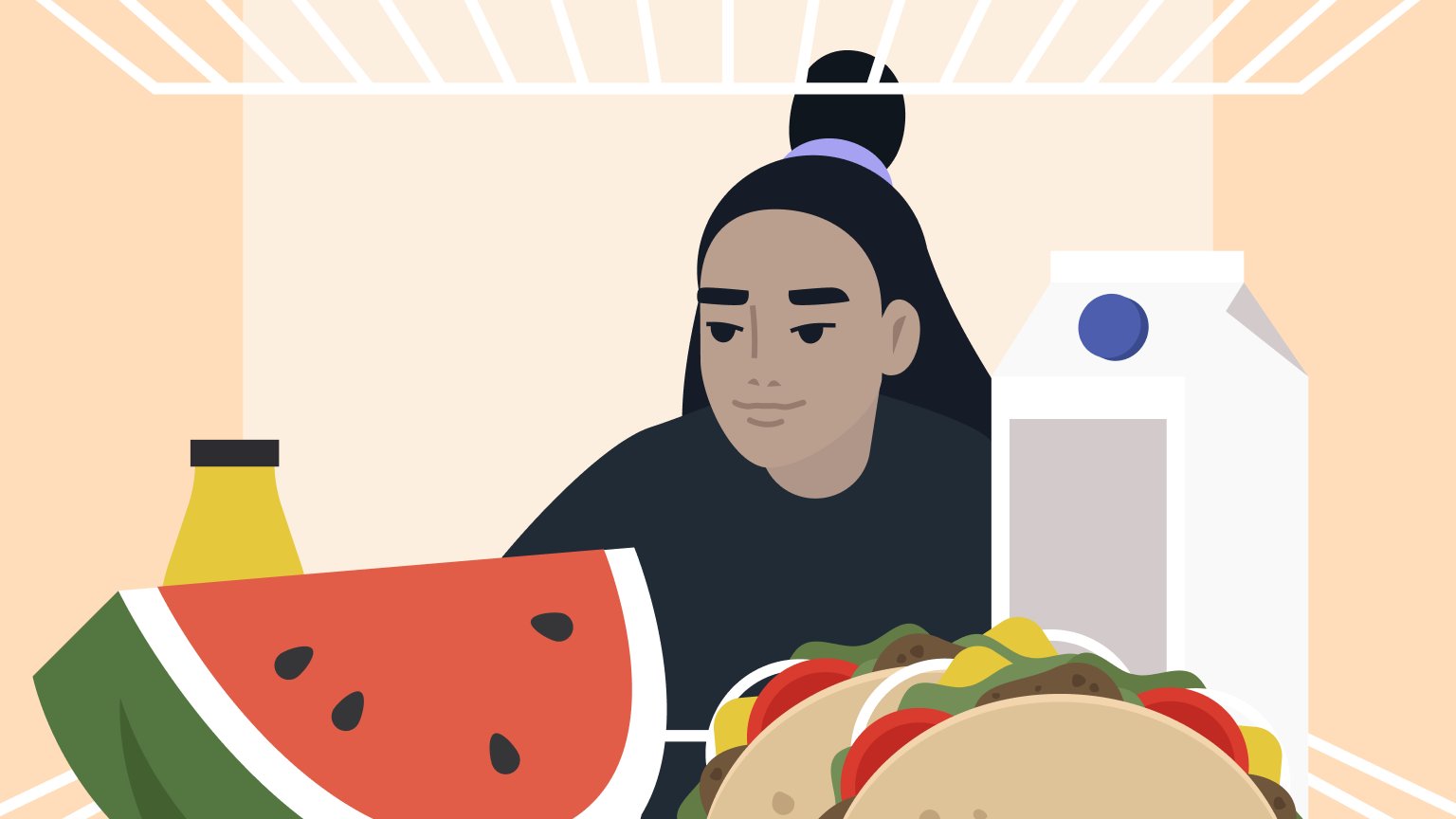
Part of the reason we reach for the biscuit tin is because it’s easy; open the lid, grab a treat, continue with our day. So make healthier alternatives just as easy.
Put a bowl of fruit in plain sight or pre-cut vegetables and leave them in a dish in the fridge to help encourage better choices and reduce the friction to healthy eating.
Keep goals realistic
Perfectionism can sabotage progress, so try to focus on simple, achievable goals like adding a portion of fruit to your diet each day to make healthy eating feel less overwhelming.
‘Set the bar low! It doesn’t mean have no goals or to not even try - it means stop expecting yourself to operate like a neurotypical productivity machine! Start creating goals that actually work with your brain, not against it, like one early night a week with no screens before bed or have a healthy breakfast on Monday and Thursday.’ - Zoe Corea, Psychoeducation Clinician
Brain-boosting foods
Protein provides the amino acids needed for neurotransmitters, making it an important foundation for energy, focus, and mood regulation throughout the day.
Foods like oily fish, chia seeds, and walnuts are also rich in omega-3s, which support brain health and improve attention and emotional regulation.
Supplements
Nutrients such as zinc, iron, and magnesium are often linked to focus, energy, and sleep quality.
If your body isn’t getting enough of these important nutrients, supplements may help, but should only be taken once you have consulted with your doctor.
‘I keep vitamins/supplements in what look like random places around the house, but they are a little nudge to take them when I'm in those places. I keep some in front of the peanut butter, next to the kettle, in the downstairs bathroom and at my desk!’ - Jemma Richmond, former Psychoeducation Pathway Lead
Low GI foods
The glycemic index (GI) measures how quickly foods affect blood sugar.
Low GI foods, like whole grains, fruits, vegetables, and legumes, provide a steady release of energy throughout the day, helping you avoid the spikes and crashes that affect focus, mood, and levels of fatigue.
Reduce sugary and ultra-processed foods
Sugary snacks and highly processed foods can lead to quick energy bursts, followed by sharp crashes.
Reducing your intake of these foods, and therefore the crashes, can help you maintain consistent energy levels and improve your mood.
‘Being British, I drink a lot of tea and coffee throughout the day. I use sweeteners as an alternative to sugar, which still satisfies the craving for sweetness.’ - Yasmin Bajalan, former Psychoeducation Clinician

Time awareness
Visual timer and reminders
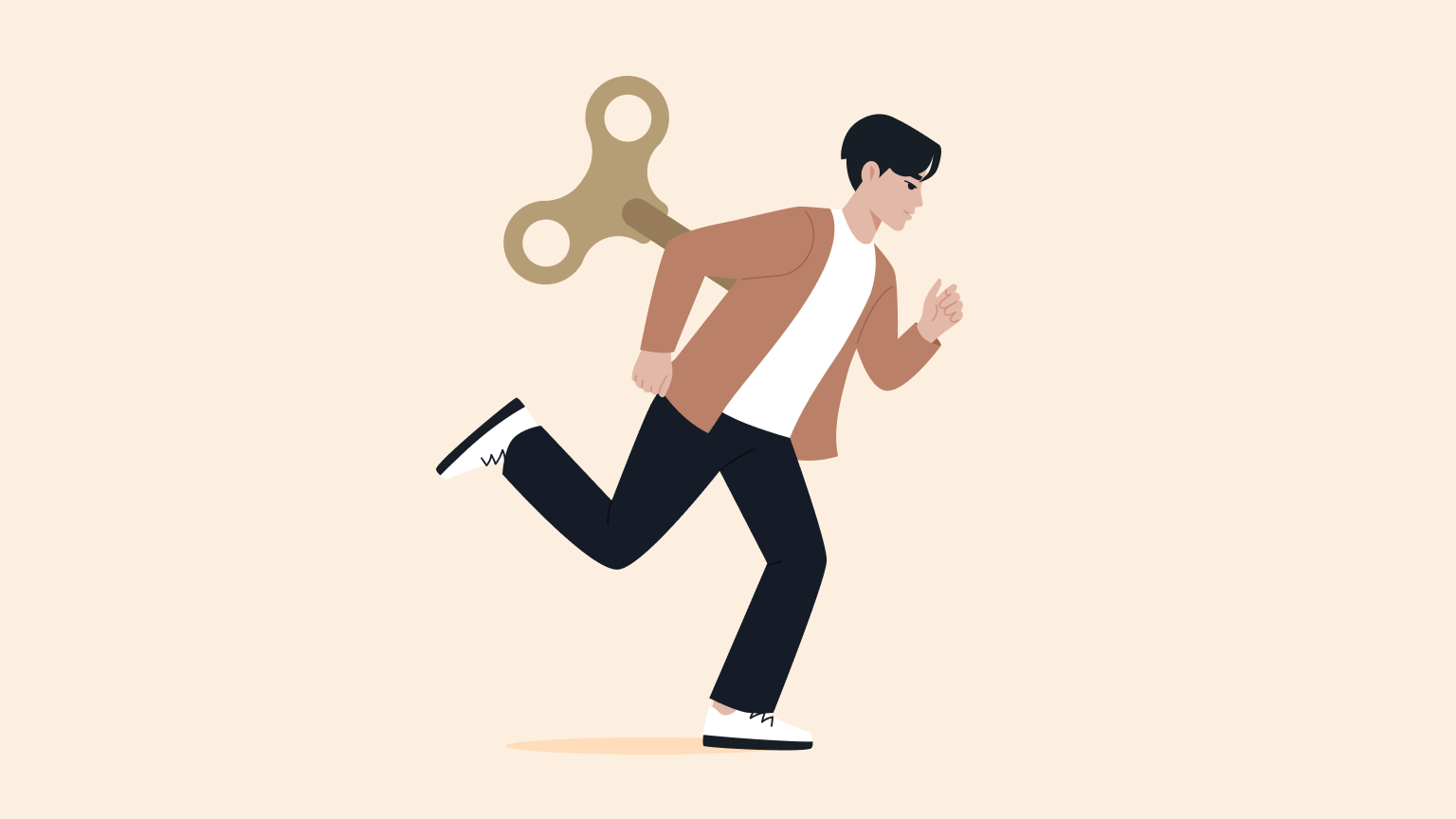
Tools like sand timers, countdown clocks, or visual timer apps make the passage of time more tangible, rather than some ephemeral force occurring around you.
Seeing time run out can create a gentle sense of urgency and help prevent periods of hyperfocus from stretching longer than intended.
‘My countdown clock helps in so many ways, knowing when to take breaks, timing how long tasks take and increasing urgency.’ - Laura Philliskirk, Psychoeducation Pathway Lead
Go analogue
Speaking of visualising the passing of time, some people with ADHD find that analogue clocks provide a much greater visual sense of how much time is passing than digital clocks.
Impulsivity
Identify triggers
Certain situations or emotional states make impulsive behaviour more likely. Recognising these in advance helps you prepare practical strategies.
Consider keeping a diary or a note on your phone each time you act on impulse. Patterns often emerge; perhaps you impulsively buy things more frequently if you’re shopping late at night, or maybe you blurt things out when you’re feeling anxious.
When you have a clear idea of what triggers your impulsive behaviours, you can work on strategies – like those listed below – that can help you manage them.
‘When I’m tired, I find myself accidentally interrupting other people more frequently, which can be frustrating for all involved. To help, I join meetings with my microphone off when I am feeling tired and write down what I'd like to say on a notepad, which I read from when it's my turn to contribute.’ - Yasmin Bajalan, former Psychoeducation Clinician
Plan and pre-commit
Creating limits before you commit to plans can reduce impulsive decisions. For example, you could decide how long you’ll attend an event before accepting, or setting a shopping budget.
Setting these red lines can help curb your impulses. You can also ask a friend to help ensure you don’t cross those lines and gently hold you accountable, without fear of judgement.
Pauses and wishlisting
Impulsivity is hard to control when satisfying your urge is as simple as pressing a 'buy now' button. Creating a delay between the urge and the act can help short-circuit the desire to act immediately.
Many people with ADHD find that adding items to a wishlist helps their rational brain regain control. When you see that item again in 24 hours, will you still want it as much?
Limits and separate accounts
Practical financial strategies like setting spending caps, using prepaid cards, or keeping money in separate accounts can reduce the rate and impact of impulsive spending.
Delay, distract, decide
When impulsive urges feel particularly strong, this simple three-step process can help create space between the impulse and the action:
- Delay for a few minutes to let the urge soften.
- Distract yourself with another small task or activity.
- Decide if the original action is still worth it.
‘I write my response on a sticky note, which helps with the impulsivity, and then judge if what I've written is worth saying. This also helps with retaining the information (at times I blurt out responses as I may forget if I don't verbalise them quickly).’ - Karen Navamani, Psychoeducation Clinician
App blockers
If you find yourself impulsively reaching for your phone to check your social feeds, app- or website-blockers create a level of friction that can deter you from getting drawn into your go-to distractions.
Count to two, or imagine a barrier
A short break before responding to someone can give your brain a moment to catch up with your emotions, and help reduce blurting, interruptions, or saying things you might regret later.
Counting to two in your head before replying, or imagining a barrier (like a lock or zipper) that divides you from your words can create that vital momentary pause.

Decision-making
Limit options
Too many choices can create decision paralysis; reducing the number of options in front of you can help cut through the overwhelm.
Across this article, we’ve mentioned a few techniques that can help here, such as meal planning, time blocking, or laying out your clothes in advance.
Know when not to act
Decision fatigue and low energy make impulsive or unhelpful choices more likely. That’s why it’s important to know when delaying a decision is better than making it fast.
Avoid making decisions when you’re tired, hungry, or stressed, and instead delay them for later in the day – or even into tomorrow – when your mind feels clearer.
‘As people with ADHD, we can tend to want everything now! Allow yourself time to settle into any decision; this is the difference between making an instant coffee, which will be easier but perhaps less satisfying, and brewing a cafetiere. Let your decisions percolate, and you may find you're happier with them overall.’ - Yasmin Bajalan, former Psychoeducation Clinician
Make routines out of recurring decisions
Creating a routine, like always doing the weekly shop on a Wednesday, can help you automate the decision-making process and take some of the choice out of the moment.
Time-block your decision-making
Just like tasks, decisions can benefit from being scheduled. Allocating a set window for research, deeper thinking, and comparing options can help you avoid falling into endless and overwhelming deliberation.
If you decide to try time-blocking, don’t forget that it’s also Okay to reach the end of your block and not have an answer yet. Come back and try again another time!
Visual tools
For many ADHD minds, decision trees, flowcharts, or simple pros-and-cons lists can help make abstract choices more concrete and real.
Bringing your decision-making into a physical form can help reduce cognitive overwhelm, moving the swirling sea of information and questions out of your mind and onto the paper instead.
Socratic thinking
Challenging your thoughts with simple questions like 'Will this matter tomorrow? In a week? In a year?' can help put decisions into perspective and break the cycle of overthinking.
Here’s another good question to ask yourself: 'Which choice would I regret not making?' This question can help you cut through the indecision and focus on the option that matters to you most.
‘John-Paul Sartre reminds us that we are condemned to choose, and that even not choosing is a choice. Try to make choices that fit with who you want to be and that honour your inherent worth.’ - Yasmin Bajalan, former Psychoeducation Clinician
Scenario analysis
Mapping out the best-case, worst-case, and most likely scenarios can help create a more realistic view of what’s at stake.
This exercise helps separate the genuine risks from the imagined ones, which can help make decision-making feel less intimidating.
Five-minute rule
For small, everyday choices, give yourself five minutes to think, then go with your instinct.
Trusting yourself on low-stakes decisions can help reduce analysis paralysis, which can help you build confidence in your own judgement and decision-making skills.
Socialising
Routinise staying in touch
Relationships can drift when communication feels overwhelming or slips your mind. This is where setting aside time in your day can come in handy.
Scheduling a regular time of day to open your messages, respond to friends, or reach out to others makes staying connected a habit rather than a chore.
'I have found it hard to keep friends as I forget to keep in touch and drift apart. Now, I have a recurring meeting in my diary to text a friend so I don’t lose touch completely. Sometimes I just say hi and let them know I was thinking about them.' - Laura Philliskirk, Psychoeducation Pathway Lead
Use organisational systems
Object impermanence can make it easy to forget social plans, promises, or important dates like birthdays and anniversaries.
Tools like digital calendars, reminders, or follow-up alerts keep connections visible and reduce the risk of accidentally dropping the ball.
Communicate needs and styles
Being upfront about how you process information can prevent misunderstandings. Letting people know that you may need to take a moment to reply, or that you prefer verbal processing, can create the space you need to communicate effectively.
It can also help to let people know if you have any communication habits that are symptomatic of ADHD, like speaking loudly or jumping between topics. Explaining that these habits come from enthusiasm or because your mind is busy can help others understand your intent.
Manage oversharing
Oversharing often happens when excitement or nerves take over. Reflecting on when and with whom your oversharing usually occurs can help you create gentle boundaries.
For example, decide which topics you’re comfortable discussing with close friends, but that you wouldn’t like to discuss with new acquaintances.
‘I still cringe a little thinking about the stuff I’ve overshared with people I don't know. There can be something really bonding in oversharing with a stranger, but to prevent the cringe, I have a few off-limit topics until I get to know people a bit more (e.g., past relationships, what I really think about a mutual acquaintance).’ - Jemma Richmond, former Psychoeducation Pathway Lead
Use code words
Trusted friends or colleagues can use agreed 'code words' to gently flag when you’re interrupting, going off on tangents, or overwhelming the conversation. These little cues can help provide support without creating embarrassing situations.
‘My autistic friend asks, 'is it alright if I go Podcast Mode?' when he feels he is about to info dump! I like to ask, 'is it OK if I get my soapbox out?' when I feel really passionately about something, which helps me understand if my conversation partner is willing and available to listen to what I have to say, at that time and in that context.’ - Yasmin Bajalan, former Psychoeducation Clinician

Burn-out and self-care
Maintaining your energy levels
ADHD brains often run at full speed until energy levels suddenly crash. Constructing your day around this knowledge can help balance your energy levels.
Paying attention to what drains you – like social events or certain work tasks - and what reinvigorates you – such as reading or walking – can help you plan a balanced day that keeps your energy levels steady.
‘Try not to conform to other people's standards - it's OK to be affected differently by things that others may find easier.’ - Yasmin Bajalan, former Psychoeducation Clinician
The four R’s
The four R’s are a simple process that can help you manage difficult emotions, and help avoid feelings of burnout:
- Recognise and name what you’re feeling.
- Regulate your nervous system with calming strategies, like breathing exercises or walks in nature.
- Reflect on whether your interpretation of events is correct.
- Reframe by looking for an alternative, kinder perspective.
Practise self-compassion
ADHD can fuel self-criticism, especially when you feel as though you’ve fallen short or failed. In these moments, it’s important to counter the negativity by actively validating yourself.
Remind yourself that it’s Okay to rest; keep a list of your strengths; ask yourself what you’d say to a friend who was feeling the way you do. Over time, this practise can soften your harsh or critical inner monologue.
Make time for joy and connection
Burnout builds when life becomes all work and no play. Scheduling time for your hobbies, your friends, or simple pleasures like walks in the park can keep you feeling motivated, and can also support your emotional wellbeing.
‘I love my 'guilty pleasure breaks' - these are my moments when I do something I really enjoy that could make me feel guilty if I didn’t plan on them, like getting a takeaway and not cook, sleeping in late or just being in my pyjamas the whole day and so on.’ - Karen Navamani, Psychoeducation Clinician

Rejection Sensitivity Dysphoria (RSD)
Spotting your triggers
RSD can be sparked by specific situations such as critical feedback, social rejection, or even neutral comments that can be misinterpreted as personal ones.
Taking the time to notice what triggers your feelings of rejection can help you recognise and prepare for them in advance.
Communicate emotional needs
When you’re feeling calm, let trusted people know that you about your RSD, and how it can manifest. Not only can this help people to support you during conversation, but it can also strengthen your relationships and reduce misunderstandings.
A return to the four R’s
In the Socialising section, we spoke about the four R’s - Recognise, Regulate, Reflect, and Reframe – that can help you regulate and manage difficult emotions.
The process can be just as effective when it comes to RSD. Label the emotion you’re feeling, use grounding techniques to settle your mind and body, consider whether your interpretation matches the reality, and reframe the story with a gentler perspective.
‘This can be tough to do in the moment, but starting with just recognising and naming how I'm feeling (e.g., hurt, overwhelmed, frustrated) helps me figure out what would help me regulate.
‘Once I’m calmer or just less distressed about the situation, which may be a few days later, it's easier to reflect and reframe the situation. Put what happened into perspective: “What was the other person's intention? Did I misinterpret anything? What do I know now that I didn't know or misunderstood at the time? How much does this really matter? Is it as bad as I thought at the time?’ - Jemma Richmond, former Psychoeducation Pathway Lead
Build a self-compassion toolkit
Rejection Sensitivity Dysphoria can create intense feelings that leave you wondering what your strengths are, or what’s good about your life. It’s important in these moments to be able to reconnect with them.
Considering journaling things like positive feedback, moments you made a difference, or things you’re grateful for or proud to have accomplished. You could also try creating a self-affirming voice note to play back to yourself in these moments.
Use validation as an anchor
Remind yourself that your feelings are valid, even if they’re painful. A simple phrase like ‘It’s understandable I feel like this way right now', or 'I need to be sad for a little while', can help ground you and soften the spiral of self-blame.
More information about ProblemShared
ProblemShared is an online mind health platform. We provide access to the highest-quality mental healthcare services and neurodevelopmental assessments for autism, ADHD, and specific learning difficulties, as well as post-diagnostic care and support.
We are a practitioner‑led, CQC-regulated community of experts, working together with individuals and organisations such as NHS trusts and integrated care boards, universities, insurers, and private medical healthcare providers.
We can also provide free Right to Choose ADHD assessments through the NHS.
For more information about our ADHD services, please visit any of the following relevant pages: